7 Steps to Get So Good at Valorant It Feels Like Smurfing
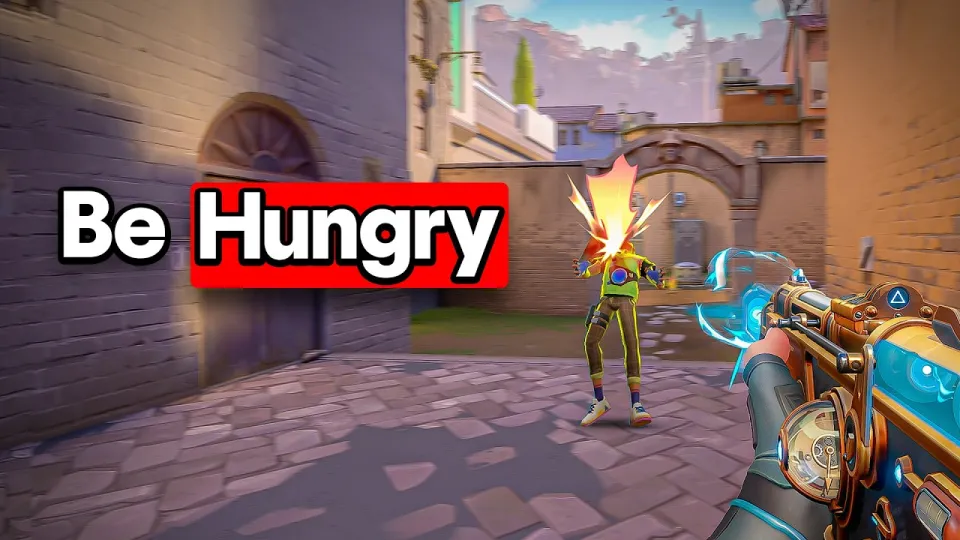
Video: How to Get So Good at Valorant it Feels Like Smurfing
Need articles like this for your video? They help promote it on YouTube and Google — order them in the Telegram bot @sat_sit_bot. Articles with your video embedded are written and posted by the bot itself — on popular topical sites (no ads). Try it free: 50 articles on us.
· based on the channel Konpeki
Getting so good at Valorant that your lobbies feel like smurf games comes down to one repeatable loop: react to the enemy instead of running your own script, and stay unpredictable while you do it. Coach Konpeki's video "How to Get So Good at Valorant it Feels Like Smurfing" frames the climb around that single idea, then breaks it into mechanics, movement, utility and mental habits you can drill today. If you want the structured version, you can apply for the Immortal Roadmap Program, which guarantees 5 divisions in 10 weeks.
What smurfing actually means in Valorant
A smurf is not a cheater; a smurf is a player whose decisions are simply faster than everyone else's in the lobby. When a Diamond player drops into a Silver game, nothing about their aim is magically different — they just see the fight earlier, take better angles and refuse to repeat the same mistake twice. That is the real target of any Valorant improvement plan: shrink the delay between what happens on screen and what you do about it. The most upvoted summary in the comments of the Konpeki video says it plainly — react to the enemy and stay unpredictable — and that single sentence covers more ground than most 40-minute aim guides.
The 7 steps that make you feel like a smurf
- Rebuild your crosshair placement from zero. Stop aiming at the floor while you rotate. Walk every map with your crosshair glued to head level on the next angle you expect, not the one you are staring at. This alone moves most Gold players into Platinum faster than any sensitivity change.
- Learn counter-strafing until it is automatic. When you peek or clear, tap the opposite movement key to kill your momentum before you shoot. A viewer in the comments asked whether you release the keys or keep tapping A and D non-stop in the range — the answer is that you tap to stop, fire on the stop, then move again. Firing while sliding is the number one reason duels feel random.
- Take off-angles and re-peek differently every time. Smurfs win because enemies cannot predict the second peek. If you wide-swung last time, jump-peek or shoulder-peek this time. Predictability is the tax that keeps you stuck.
- Use utility to solve problems, not to fill time. A Sova recon or a Sage wall should answer a specific question: where is the enemy, or how do I take this space without dying. Utility thrown "because it is up" is wasted utility.
- Play the economy like a chess player. Track how much the enemy team can buy, force them into saves, and buy for the round after next when you are ahead. Losing a bonus round costs more RR than losing a full-buy round.
- Cut your mental reset time to one round. Tilt is a performance stat. The second you die, the previous round is data, not a verdict — note what killed you, then let it go before the buy phase ends.
- Review one death per game, not one game per week. Open your own VOD, pause on the death that felt unfair, and ask what information you ignored. Ten minutes of honest review beats three hours of mindless deathmatch.
Movement and aim drills worth your time
Aim trainers are useful only if they copy the movement you actually do in a match. The most practical drill is the range exercise where you strafe side to side and fire one shot per direction change — the exact question a commenter raised about whether you stop or keep moving. You stop, fire, then move again, because that mirrors a real duel. Add a movement-error multiplier of 0.5 if you want to force cleaner stops, a tip a viewer shared for players who want measurable feedback on their counter-strafing. Do this for ten minutes before you queue, not two hours after.
Rank-up questions players keep asking
Several recurring questions show up under the video and they deserve straight answers. Beginners ask what to do first to reach a professional level as fast as possible; the honest answer is that mechanics come after decision-making, because a mechanically gifted player with bad positioning still loses to a patient one. Console players ask whether coaching covers PS5 and Xbox — the coaching material is mostly decision-based, so it transfers, but aim drills need to be adapted to controller settings. Players also ask whether there is an age requirement for the program; most coaching programs care about commitment and available hours rather than age, so ask directly on the call. And the loudest complaint of all — teammates who play like bots — is not solved by arguing in chat but by playing around them: give them simple, winnable roles instead of expecting them to read your mind.
Why unpredictability beats raw aim
If you watch a Radiant player and a Platinum player fight the same duel, the difference is rarely flick speed. The Radiant player already knows where the enemy will be, has an escape route planned, and has a second option if the first fails. That is why the phrase "react to the enemy and stay unpredictable" keeps coming up in the community: it is the cheapest upgrade available to any Valorant player at any rank. Treat every round as a question the enemy is asking, and answer it in a way they did not prepare for.
Useful links from the breakdown
- Immortal Roadmap Program application — 5 divisions in 10 weeks, free call to reserve a spot
- Konpeki's Discord — free coaching resources and office hours
- Twitch
- TikTok
Final thoughts on climbing like a smurf
The gap between your rank and smurf-level play is mostly built from small, boring habits: crosshair placement, counter-strafing, off-angles, utility that solves a problem and a mental reset that takes one round instead of five. None of these require talent, and all of them compound. Konpeki's breakdown is a useful map for that process, and the channel pairs it with a structured path if you want accountability rather than another playlist of tips. If you are serious about the climb, book a free call through the Immortal Roadmap Program and see whether the 5-divisions-in-10-weeks guarantee fits your schedule.
Key takeaways
- Smurfing in Valorant is not a cheat — it is the gap between your current rank and your real decision-making speed.
- Coach Konpeki's breakdown in the video "How to Get So Good at Valorant it Feels Like Smurfing" boils the climb down to reacting to the enemy and staying unpredictable.
- The Immortal Roadmap Program promises 5 divisions in 10 weeks, and the free call link is roadmap.gg/v/lUfrMRb74SE.
- Viewers repeatedly ask how to practice counter-strafing, whether console coaching exists, and how to deal with bot-like teammates.
- Ranking up 500 RR in 10 weeks is the headline guarantee Konpeki attaches to his coaching program.
Questions & answers
How long does it take to reach smurf-level Valorant?
There is no fixed timeline, but players who drill crosshair placement, counter-strafing and decision review daily usually see a rank or two of movement within a couple of months. Structured programs like Konpeki's Immortal Roadmap advertise 5 divisions in 10 weeks with coaching and accountability. Without review habits, most players plateau for seasons.
Do I need to release movement keys when counter-strafing in the range?
You tap the opposite direction key to stop your momentum, fire on that stop, then move again. You do not need to fully release both keys and freeze — the goal is to be stationary at the exact moment you shoot. Practicing this slowly in the range before queuing makes it automatic in duels.
Can console players get the same coaching as PC players?
Most coaching content focuses on decision-making, positioning and utility usage, which transfers to PS5 and Xbox. Aim and movement drills do need to be adapted to controller settings and sensitivity. Ask the coach directly whether they support console students before booking.
How do I deal with teammates who play like bots?
Stop trying to fix them in chat and start giving them simple, winnable jobs — hold this angle, play this post-plant spot, follow this entry. You cannot control their decisions, but you can reduce the number of decisions they have to make. Focus your energy on your own review and your own impact per round.
Source: How to Get So Good at Valorant it Feels Like Smurfing · Markdown version